How to photograph a window and fabric for a curtain preview
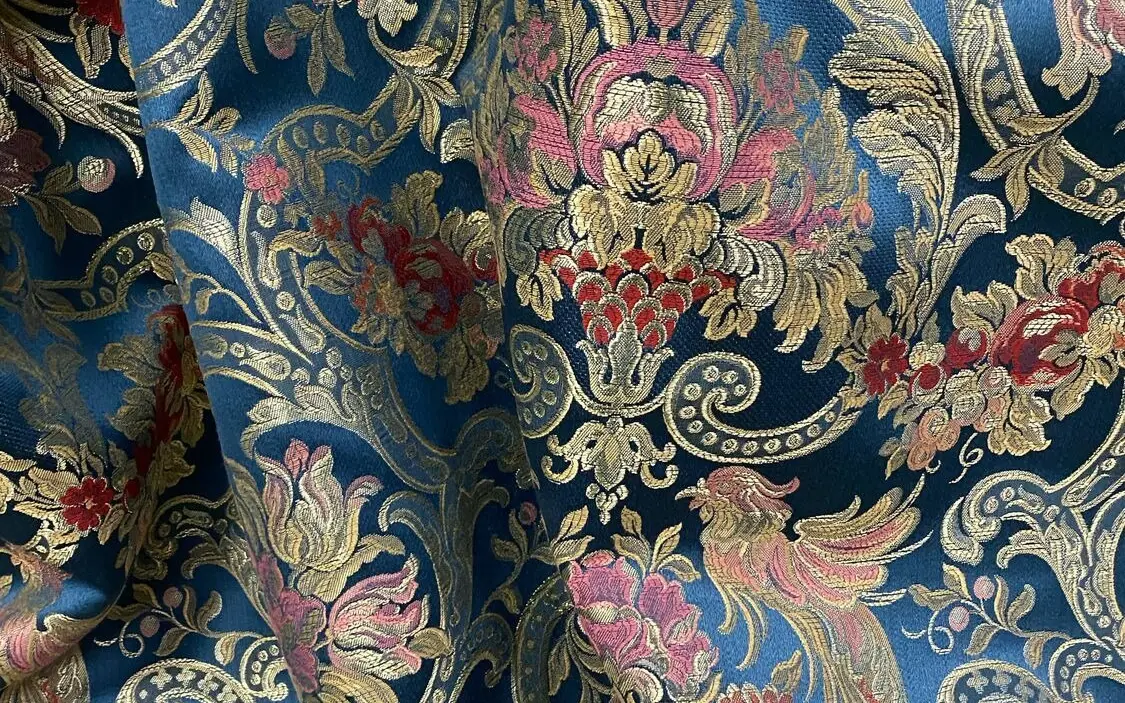
An online curtain preview starts from two photos: the room with the window, and the fabric. How they are taken decides how convincing the picture will be for your client. The good news is that you don’t need special equipment, just a phone and a few simple rules.
Why the photos matter so much
The service doesn’t invent a new room. It keeps the walls, furniture, window and angle of your photo and changes only the curtains. Anything that is hard to see in the original stays hard to see in the result: a dark corner stays dark, a cropped window stays cropped.
The same goes for fabric. Color and pattern come from your photo, so a swatch shot under a yellow lamp gives yellow curtains.
The room photo: 7 rules
- Photograph the whole window, from the rod or ceiling to the sill, or better, to the floor. The service needs to see where the curtains will hang.
- Stand facing the window, not off to the side. A slight angle is fine; a steep one distorts proportions.
- Shoot in daylight. Natural light from the window gives honest colors for walls and floor.
- Avoid the 0.5× wide-angle lens: it bends walls and window frames.
- You don’t need to take down old curtains or sheers; the new ones take their place. If the window is covered by a sheer, the service takes that into account.
- Clutter doesn’t matter. Small things on the sill or a ladder in the frame are no reason to reshoot.
- Send a real camera photo. A screenshot from social media or a picture of someone else’s interior won’t work: it doesn’t show where your window is.
The fabric photo: 5 rules
- Shoot the swatch close up so the fabric fills almost the whole frame.
- Daylight only, no flash: a flash washes out color and hides texture.
- If the fabric has a pattern, include one or two repeats so the service can read the scale.
- Lay the swatch flat, without deep folds or shadows from your hand.
- Any fabric works: a sample book, a cut length, or a sofa’s upholstery if the client wants curtains to match.
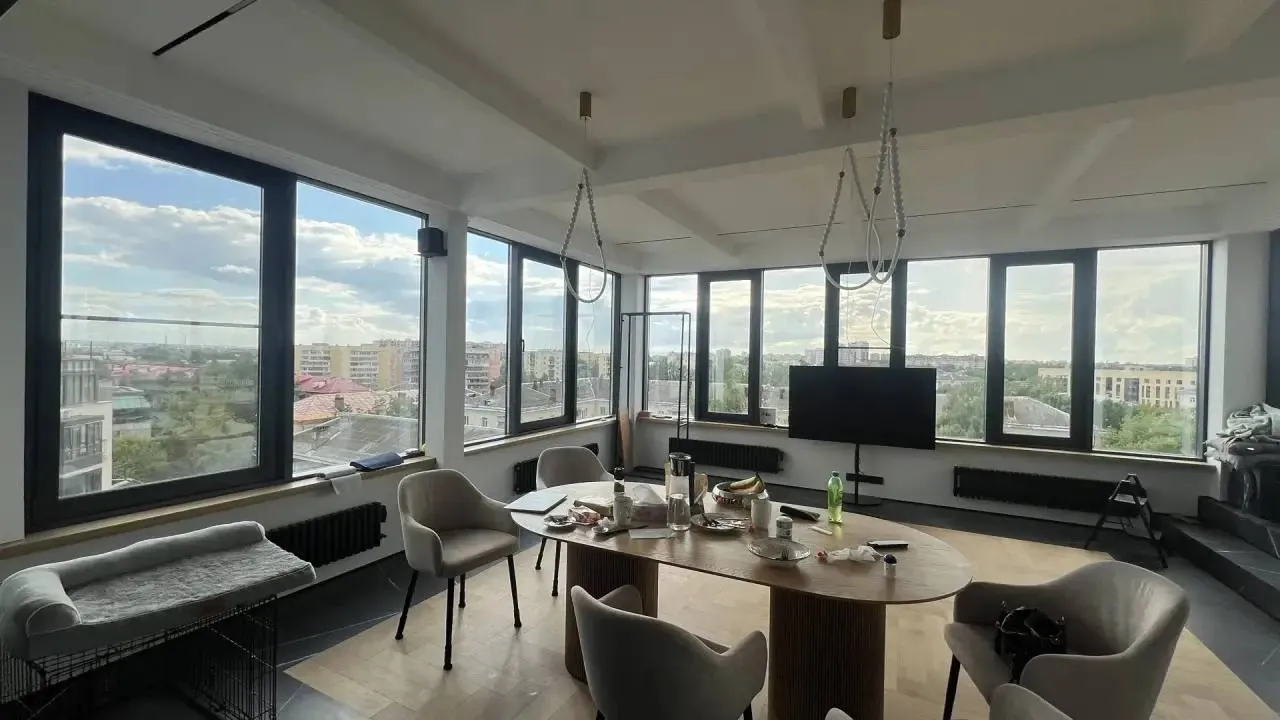
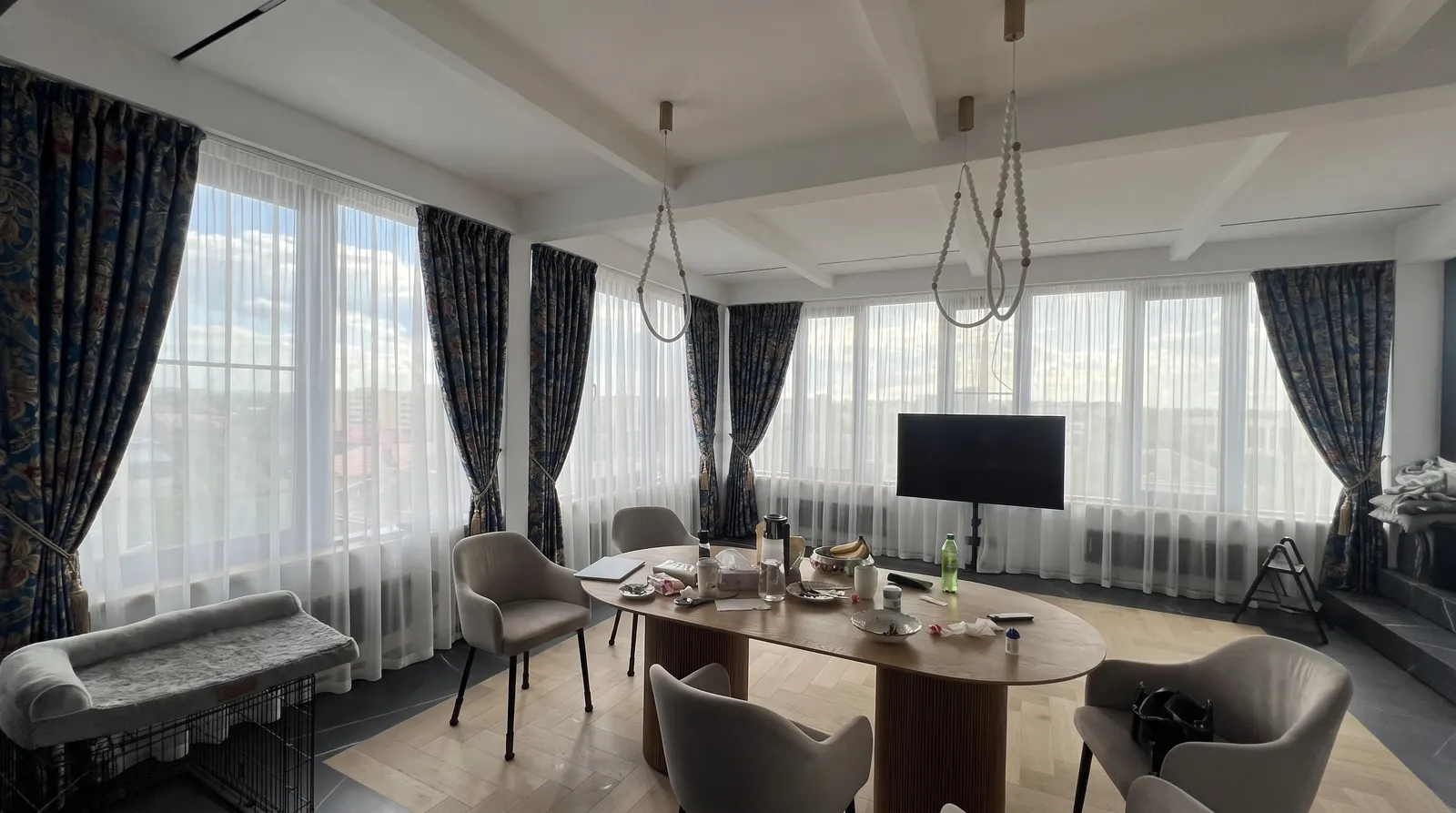
Windows that are harder to photograph
- A balcony door with a window. Photograph both together and in full: the curtains will cover both, so the service needs the whole width.
- A corner or panoramic window. Step back as far as you can and get every pane in one frame. If it won’t fit, two previews for two walls are better than a cropped window.
- A bay window. Stand in the middle of the room facing the bay so all its windows and angles are in the frame. The bay is recognised automatically and the curtains follow its shape.
- An attic window. Shoot from below so the slope and the whole frame are visible. This kind of window is recognised from the photo too.
- A window behind a bed or a wardrobe. No need to move furniture: it stays where it is. Just make sure the top of the window and the place for the rod are visible.
Common mistakes and what the service tells you
Before a preview CurtainBot looks at both photos. If something is wrong, it tells you right away what to reshoot, and the preview isn’t used.
- A screenshot instead of a room photo. You’ll be asked for a photo of the window taken with the phone camera.
- No window in the photo. Photograph the whole wall with the window.
- Too dark or blurry. Reshoot in daylight and hold the phone still.
- No fabric in the fabric photo. Photograph the swatch itself, close up.
If a result still distorts the room, the quality check rejects it: we don’t show that picture and don’t use the preview.
When the client sends the photos
Most often the client takes the window photo. Send them a short note, for example:
Please photograph the whole window in daylight, standing straight in front of it. No need to take the curtains down. If you have a fabric sample, photograph it close up by the window, without flash.
Then you can run the preview during the meeting and, if the client isn’t sure about the fabric, compare two or three options on their own window.
In short
- The whole window, straight on, in daylight, no 0.5× lens.
- The fabric close up, in daylight, with a pattern repeat.
- No screenshots.
To see how previews fit into a client meeting, read how to show clients curtains in their own room.